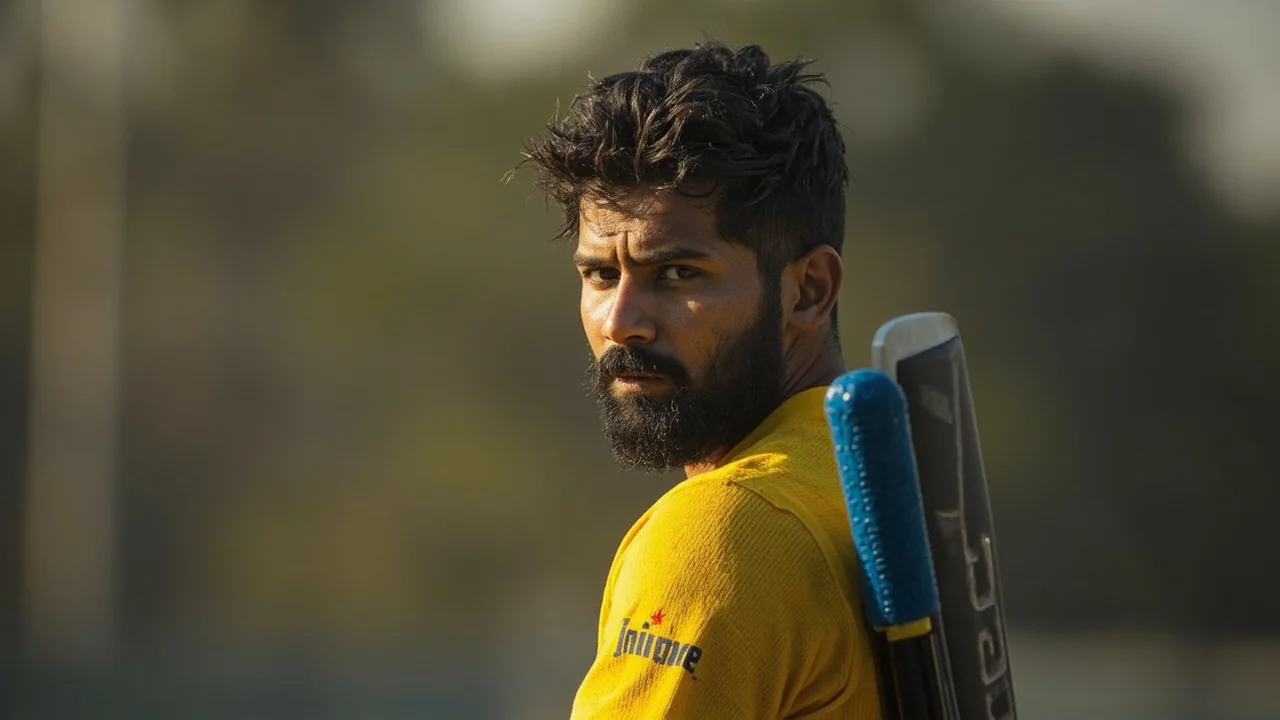
Sonal Dinusha, 25, will lead a 15-player Sri Lanka Cricket XI against India at the NCC Grounds in Colombo from 7 August, two days before the first Test at Galle. The squad, released by Sri Lanka Cricket on Wednesday afternoon, mixes seven names from Sri Lanka's Test pool with eight home-form additions, and the seam core is the section that asks the most pointed questions of India's red-ball batting. The fixture is officially a three-day practice game, but the data points the Indians need from it are the same numbers they will need to defend in Galle on day one of the series.
The release makes no mention of senior names. Pathum Nissanka, Dimuth Karunaratne, Dinesh Chandimal and Angelo Mathews were on Lanka Premier League 2026 duties through the same window and were not considered for the practice match. The result is a Sri Lanka Cricket XI built around bowlers in form on home soil and a top order that has not been together in red-ball cricket this month. India, who arrived from Bengaluru on Wednesday, get a Test-quality seam spell on what looks like a dry NCC surface and a useful audition for two uncapped names before the squad is finalised.
The squad in numbers: seven Test squad names, eight home-form additions
The 15 picked by Sri Lanka Cricket: Nishan Madushka, Ravindu Rashantha, Pasindu Sooriyabandara, Pavan Rathnayake, Ahan Wickramasinghe, Sonal Dinusha (captain), Anjala Bandara (wicketkeeper), Nipun Dananjaya, Lahiru Kumara, Vishwa Fernando, Asanka Manoj, Isitha Wijesundara, Ramesh Mendis, Kesara Nuwantha, Dilum Sudeera.
Of those, seven are current Test squad members. The other eight are additions brought in to give the warm-up the shape of a first-class fixture rather than a nets session. The split is the headline: India will be measured against a seam attack that includes Kumara and Fernando (two of the seven), and a top order where only Madushka and Dinusha carry Test caps. For the Sri Lanka selection panel, that is a deliberate choice. The Test squad members get a real first-innings rehearsal, and the home-form players get a Test-quality hit before the domestic calendar resumes.
The clearest shorthand for the squad is the bowler count. Six of the 15 are frontline bowlers by trade, and two of them, Nuwantha and Sudeera, arrive in Galle on the back of a five-wicket haul and a ten-wicket match against India A. Madushka and Bandara make it three wicketkeeping options on the list, which is unusual for a 15 and signals that the selectors are hedging against a niggle rather than confirming a starter. Bandara, who keeps the gloves, is the most likely to play all three days behind the stumps.
Why Dinusha, with three Tests, holds the captaincy
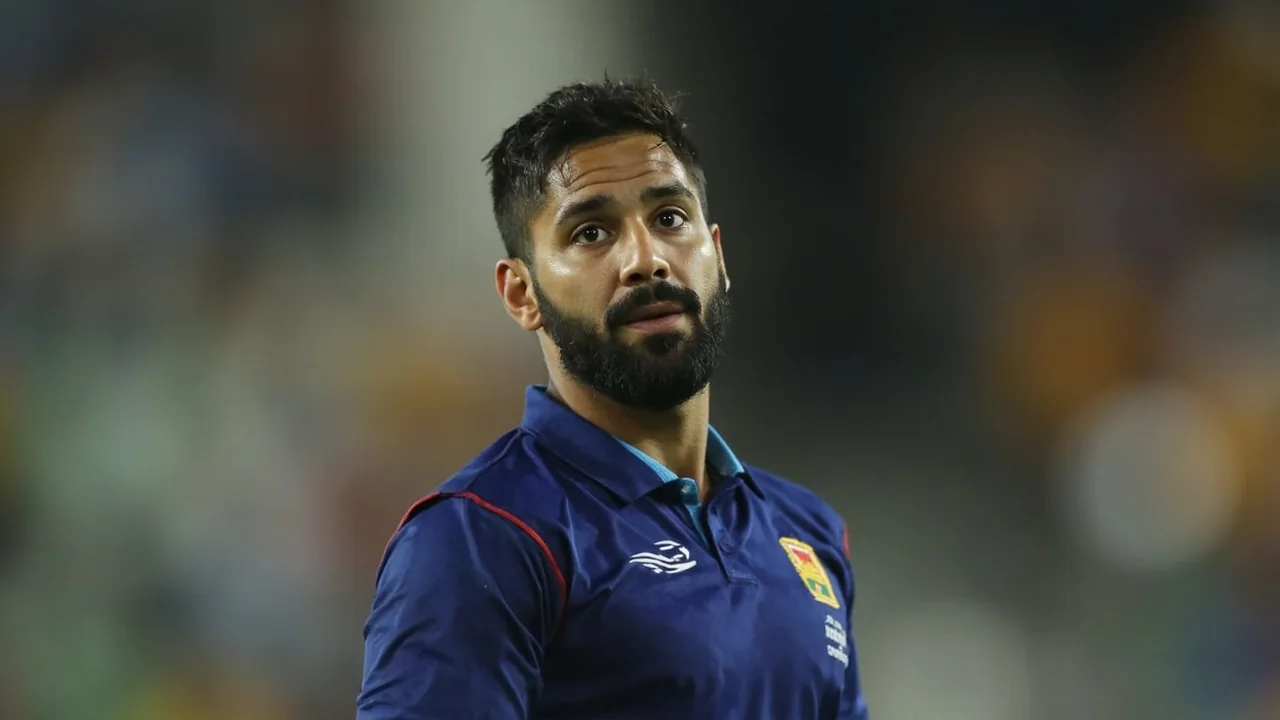
Dinusha has played three Tests for Sri Lanka since debuting against Bangladesh in 2025. The captaincy here is a continuity call from the Sri Lanka Cricket selection panel rather than a promotion. With the senior red-ball players in LPL action, the selectors wanted a current Test cricketer who has batted in the top six this season and who already knows the India A attack from the recent Galle fixture. Dinusha speaks Sinhala and Tamil, has trained with four of the seven Test players at the Khettarama centre this month, and is comfortable fielding at slip in Test conditions.
For India, the relevant point is match-up rather than sentiment. Dinusha's Test record against seam-heavy attacks has been the most consistent of the available Sri Lanka top-order names this season, and the India seam group will spend the warm-up working out the angles to him. The captaincy is not symbolic: Dinusha will set the field for Kumara against Jaiswal, call the DRS when it does not exist, and manage the changeover between seam and spin on a dry surface. Each of those is a real rehearsal for the Galle Test rather than a ceremonial pass.
There is also a selection logic behind the age. Dinusha turns 26 in the next home Test window, and the selectors are signalling a transition to a younger leadership group. The same logic is visible in the inclusion of Wickramasinghe and Sooriyabandara at the top of the order, both of whom are uncapped and both of whom will be measured against India-quality spin on days two and three. The message from the panel is consistent: audition the next cycle against senior India pace, in real conditions, before the LPL window closes.
The seam pair India must solve first
The seam unit is the strongest reason to take the warm-up seriously. Lahiru Kumara and Vishwa Fernando both come off full Test match workloads and are expected to share the new ball on what looks like a dry NCC surface, with the spin workload split between Ramesh Mendis and Dilum Sudeera. Sudeera is the headline form pick: he took 10 wickets against India A in the recent unofficial series in Galle, including a second-innings fifer, and Nuwantha returned a five-wicket haul in the same match. Both have been told they will play long spells here to give India a genuine first-innings challenge.
For India, the warm-up is the last live chance to give Kuldeep Yadav, Ravindra Jadeja and Manav Suthar overs on a subcontinental surface before the first Test. Jadeja has not played a first-class innings since IPL 2026 because of the franchise schedule, and the selectors have asked him to bowl at full tilt across the first innings here. Kuldeep is fresh off the Asia Cup and is expected to share the spin load with Sudeera on days two and three. Prasidh Krishna and Mohammed Siraj will lead the new-ball response, and the two seamers will be working through the same Kumara spell that India's top order will face at Galle six days later.
The Saransh Jain question is also a seam question. The slow-left-armer is confirmed in the Indian squad and is likely to be used in short middle-session bursts against Sri Lanka's Test-quality right-handers rather than as a fourth seamer on a flat NCC surface. The closer India bowl to a Test template across the three days, the more the rehearsal retains its value for the Galle selection meeting. Anything that drifts to a flat ten-over net session forfeits the point of the trip.
What India A's Galle numbers tell us about the bowling
The unofficial series between India A and Sri Lanka A was meant to be a quiet trial, and the numbers that came out of it are the most useful India have on a 2026 home surface. Nuwantha took a five-wicket haul in Galle on the same strip that will host the first Test, and Sudeera took ten wickets in the match, including a fifer at a sub-30 average. Both are right-arm seamers who extract movement from a hard, dry surface by hitting the stump line at a slightly fuller length than the Indians prefer. The two spells are the live preview of what the Galle surface will offer to Test bowlers on day one.
The reading for India is straightforward. The Indian top order has not faced a spell of that shape on a subcontinental surface in 2026, and the warm-up is the only space where the batters can test their footwork against it before the Test selector's pencil is on the teamsheet. Jaiswal's powerplay intent against left-arm spin is not the relevant question; the question is how Jaiswal handles a right-arm seamer who lands on a 4th-stump line at 135 kph and straightens, which is what Nuwantha did in Galle. The warm-up will not answer the question completely, but it will give the Indian batters a single first-innings digest of the same length.
The match-up is the rehearsal India's staff have been asking for. Galle on a turning day three is a different problem, but day one is decided by the new ball, and the new ball here is Kumara and Fernando. If the warm-up's first innings tells the staff that the Indian top order is comfortable on the front foot against Kumara's length, the Galle selector's meeting gets shorter. If it does not, Suthar or Brar move up the bowling rotation to give India a third seam option for the first Test. The warm-up is the test, not the warm-up.
The Indian squad and the question marks at three
India's announced Test squad for the Sri Lanka tour: Shubman Gill (c), KL Rahul (vc), Yashasvi Jaiswal, Rishabh Pant (wk), Sai Sudharsan*, Dhruv Jurel (wk), Ravindra Jadeja, Kuldeep Yadav, Manav Suthar, Mohammed Siraj, Prasidh Krishna, Gurnoor Brar, Devdutt Padikkal, Saransh Jain, Auqib Nabi. Sai Sudharsan's name is asterisked because his participation in the warm-up is subject to fitness clearance, and Devdutt Padikkal is likely to bat at number three if Sudharsan is held back.
The other development to watch is the debut window. Uncapped seam-bowling all-rounder Auqib Nabi and slow-left-armer Saransh Jain are set to feature against Sri Lanka's Test-quality batters, which is the closest audition they will get before the squad is finalised. Both have been on the India A circuit this season; this is the formal preview. The management has asked both to bowl at Sri Lanka's first-innings batters in the second session rather than bowl them in flat conditions, which is the same logic they used for Siraj's debut in 2020. The seam rotation across the warm-up is the closest the staff can get to a Test intensity without the fixture counting.
The likely XI for the warm-up itself tracks the senior Test side but is not identical. India usually open a tour with their first-choice top seven and rotate the bowling group to manage workload, and the same pattern is expected here. Jaiswal and Padikkal should open the batting, with KL Rahul slotting in at number four if Sudharsan is held back, or moving up to three if Sudharsan is cleared. Pant and Jurel split the wicketkeeping across the two innings. Jadeja, Kuldeep and one of Suthar or Brar form the spin unit, with Siraj and Prasidh as the new-ball pair. Auqib and Saransh Jain are most likely to be used in short middle-session bursts rather than as a fourth seamer on a flat NCC surface.
For KL Rahul specifically, this is a first competitive red-ball innings since his return from the niggle that kept him out of the Asia Cup final. The selectors want overs on his legs before Galle. Jaiswal, by contrast, has been playing first-class cricket for Mumbai in the domestic window and will use the warm-up to reset his red-ball tempo rather than to find form. The India management has told both batters to bat for a session each against Kumara and Fernando before declaring their innings, the standard red-ball template.
What the three days actually decide at NCC
A three-day red-ball game against a Sri Lanka Cricket XI is not a selection trial in the public-facing sense. The BCCI selection committee will not pick or drop a player purely on warm-up numbers. What the fixture does decide is workload: how many overs Jadeja bowls across the first innings, how Kuldeep looks on a subcontinental day-three surface, whether Sai Sudharsan's fitness holds, and how Prasidh and Siraj split the new ball. It also gives Padikkal a last competitive hit at number three if Sudharsan is still being held back.
For Sri Lanka, the decisions the warm-up exposes are more interesting. Dinusha will be measured less on his captaincy and more on whether his top-order batting holds under India-quality seam bowling on a home surface. Sudeera and Nuwantha will be measured on whether they can take a five-wicket haul against senior India batters rather than India A batters, which is the test that matters ahead of the Test series. The selectors will also be watching whether Ahan Wickramasinghe and Pasindu Sooriyabandara, the two uncapped top-order names in the squad, can hold their own against Kuldeep and Jadeja in the middle session.
The squad travels from Colombo to Galle on the afternoon of 9 August, with the toss expected at 10:00 IST on the same day. The desk's running coverage of squad announcements, fixture shifts and tour updates lives at the India sports news desk, where the warm-up bulletin and the first Test preview will sit one page apart.
Three things to watch over the long weekend
First, Dinusha's first-innings innings against the new ball. The captain's first session at the crease is the dress rehearsal for the top-order conversation that runs through the Galle selection, and the way he handles the first spell from Kumara will tell the Indian staff more than any number from the unofficial series. Second, Jadeja's overs on day one, because they will tell the dressing room how much red-ball cricket the all-rounder still has in his legs. Third, the second-innings chase if India bat second, because that is the closest preview of the Galle Test conditions Sri Lanka can build.
Two wider signals matter too. The size of the India spin workload on day three will tell the selectors whether Jadeja can hold up across a five-day Test, or whether the staff need to start planning for Brar or Suthar as a second specialist. The behaviour of the ball under lights in the Colombo evening session will tell Prasidh and Siraj whether to commit to the conventional subcontinental template of running the quicks hard through the afternoon and saving Jadeja for the close. Both data points feed straight into the first Test XI at Galle.
For the Sri Lanka camp, the warm-up is the last competitive window for the Test squad players to register red-ball match fitness before the series. Mendis, who has been in and out of the side with a side strain, is expected to bowl a full first-innings workload. Bandara, the wicketkeeper, will bat at six and keep across both innings. The coaching staff have asked the four-Test seam pair of Kumara and Fernando to bowl in tandem on day one, and then split into single-spell workloads across days two and three, to manage niggles before the Galle Test. The first Test begins on 9 August at Galle, and the result of the warm-up is the only rehearsal data set the two dressing rooms will share.