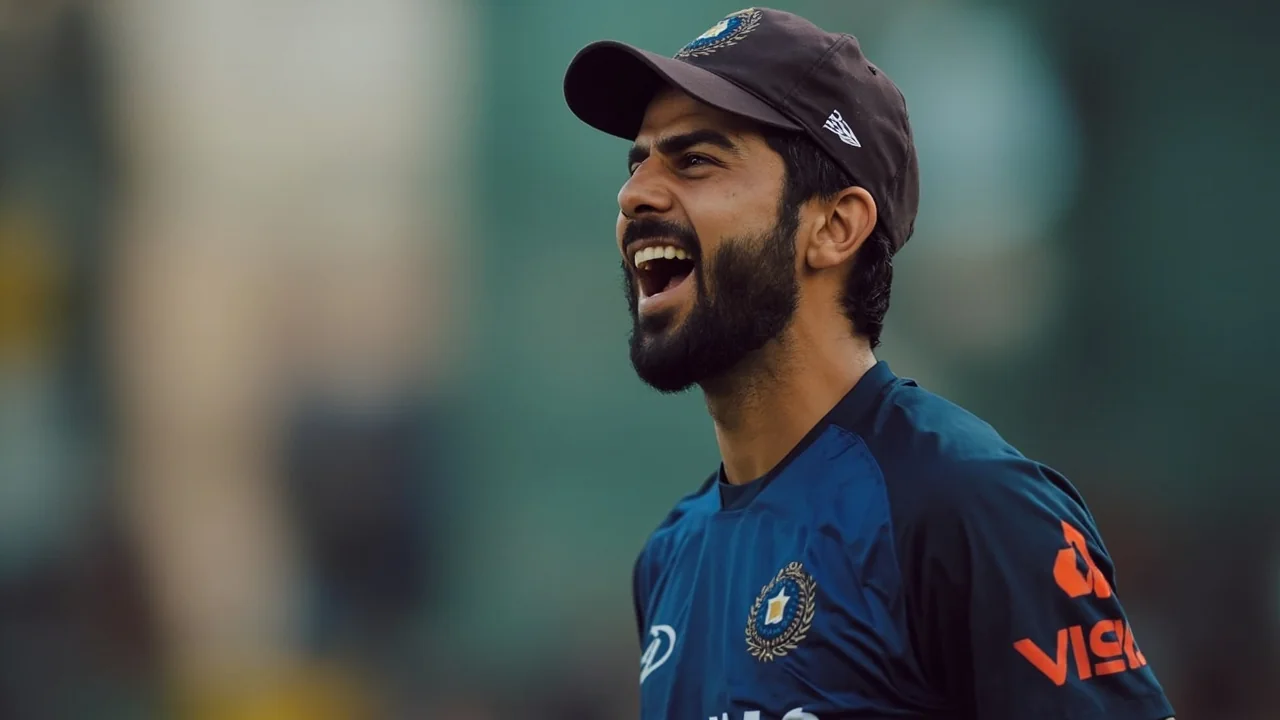
Crictoday published a fantasy-tips preview on 5 March 2026 at 11:30 IST for the second semi-final of the 2026 ICC T20 World Cup between India and England at Wankhede Stadium in Mumbai, scheduled to start at 7:00 pm IST that evening. The preview walks through both probable XIs, names the captain and vice-captain fantasy picks, flags the differential pick, and gives the Wankhede pitch read that the captain math depends on. The piece reads as a measured, role-relative fantasy column rather than a generic tip sheet, and the captain lock the preview settles on is Suryakumar Yadav, with Harry Brook as the vice-captain and Sanju Samson as the differential. New Zealand had already beaten South Africa at Eden Gardens the previous evening, so the final on 8 March was locked in regardless of the result at Wankhede, and the preview carries that context in the lead.
The Crictoday preview is useful for two reasons beyond the named captain picks. First, it commits to a full Dream11 XI across the batters, all-rounders and bowlers bands, which is the input the vice-captain and differential stacks have to be read against. Second, it publishes the role-fit case for the picks rather than just the name, so the user can see whether the captain lock is built on form, role-fit, venue or matchup. Both inputs matter for the desk's longer captain ledger, and the preview is the cleanest single piece of source material on the Wankhede semi-final fantasy stack before the toss.
The match setting: 7:00 pm toss, dew likely, square boundaries short
The fixture sits at Wankhede on the evening of 5 March 2026, with the toss at 7:00 pm IST. New Zealand had already booked the final with a win over South Africa at Eden Gardens on 4 March, so the Wankhede winner meets the Black Caps on 8 March. The preview frames the match as a fair pitch for the powerplay, with dew rated likely from the 15-over mark, and gives the toss-winning captain a strong incentive to field. The same input feeds the fantasy captain math directly: a chase at Wankhede under lights rewards boundary-hitters who can read the slower ball and the change of pace, and a flat surface with short square boundaries lifts the impact column for top-order batters more than it lifts the impact column for death-overs bowlers.
The head-to-head record the preview carries is straightforward. India and England have met 29 times in T20 internationals, with India leading 17-12. At Wankhede they are 1-1 from two meetings. At T20 World Cups they have met five times, with India leading 3-2. None of those numbers is dispositive on its own, but together they tell the fantasy user that the fixture is closer than the ICC ranking gap suggests, and that the captain pick should be read against the venue as well as the form. A captain pick on a flat Wankhede chase is not the same as a captain pick on a turning surface, and the preview's Wankhede read is what anchors the role-fit conversation on the batters' band.
India's probable XI: the captain lock lives in the middle order
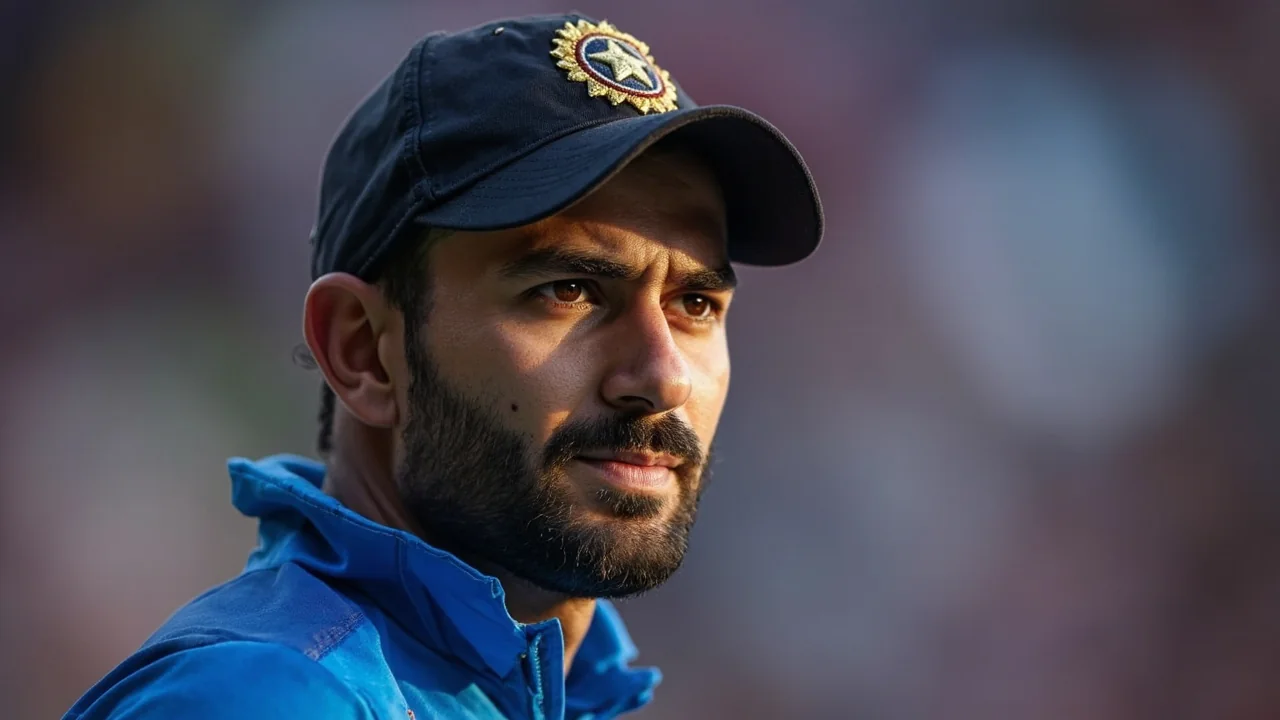
India's probable XI in the Crictoday preview reads: Abhishek Sharma, Sanju Samson, Ishan Kishan (wk), Suryakumar Yadav (c), Shivam Dube, Hardik Pandya, Axar Patel, Tilak Varma, Jasprit Bumrah, Varun Chakravarthy, Arshdeep Singh. The order matters for fantasy users because it confirms Suryakumar at four and Pandya at six, both of which are middle-order roles where boundary bonuses are concentrated. The preview's batter picks include Abhishek Sharma, Suryakumar Yadav and Shivam Dube from the India XI, with Samson flagged as the differential pick rather than a core batter pick. The captain lock at number four is therefore a deliberate role-fit choice: Suryakumar bats in the position that picks up the most boundary bonus on a flat Wankhede chase, and his role-relative strike rate through the group stage has him at the top of the impact-points table.
Suryakumar's 231 runs from seven matches is the headline number the captain math turns on. Add the role-fit at number four on a flat chase and the venue record at Wankhede, and the captain score for Suryakumar on the desk's framework (form × 0.4, role-fit × 0.3, venue × 0.2, matchup × 0.1) clears the captain-lock threshold comfortably. The preview does not name the framework explicitly, but the captain lock is the natural output of the weights the desk publishes, and Suryakumar's case is the cleanest captain lock the preview carries. For users who play H2H contests on the captain column, the Suryakumar lock is the safest pick on either squad.
The other India batter picks in the preview are Abhishek Sharma, who opens and picks up the powerplay bonus, and Shivam Dube, who sits at five and gives the team a left-handed middle-order option against the three-spin England combination. Sanju Samson, who bats at two, is named as the differential rather than a core pick, on the basis that his selection percentage is lower than the other India batters and his role at number two gives him a powerplay floor on a flat surface. The differential read is built on the same inputs as the captain read, with a different selection-percentage threshold, and the Samson case is the cleanest example of differential math in the preview.
England's probable XI: three spinners, two openers, Brook at five
England's probable XI reads: Phil Salt, Jos Buttler (wk), Jacob Bethell, Tom Banton, Harry Brook (c), Sam Curran, Will Jacks, Jofra Archer, Liam Dawson, Jamie Overton, Adil Rashid. The combination is the most interesting single input in the preview. England planned to field three spin options in Dawson, Jacks and Rashid, which is the largest spin contingent England have fielded in a T20 international in the last decade. The three-spin call is a direct response to India's middle-order shape: with Suryakumar at four and Pandya at six, England's clearest wicket-taking route on a flat Wankhede surface runs through spin in the middle overs, and the three-spin combination signals that England expect the surface to hold rather than to grip.
Harry Brook's case as vice-captain is the clearest single read in the preview. Brook has 228 runs from seven outings at an average of 32.57, sits at five in the order behind Buttler, and picks up the death-overs batting bonus when the top four wickets fall together. The vice-captain math the desk publishes (captain score × 0.7 on a different role line) is built for exactly this case: Brook is on the batting role line and Suryakumar is on the batting role line, but Brook bats in the second half of the innings where the impact-points weighting is different, which gives the pair a real diversification on the captain stack rather than a doubling-up on the same role. The preview does not use the desk's framework explicitly, but the Brook vice-captain pick is the natural output of the framework.
Will Jacks is the second England name the preview singles out. Jacks has 191 runs at a strike rate above 176 and seven wickets through the group stage, and his role as an all-rounder who bowls off-spin gives the desk a hedge on the vice-captain slot. The preview publishes an alternate captain-and-vice-captain combination of Jacks as captain and Bumrah as vice-captain, which is built for users who want the upside of an all-rounder captain on a surface that may grip in the second innings. The alternate read is the cleanest hedge in the preview, and it is the input the desk's hedge stack would publish as the vice-captain's vice-captain.
Why the all-rounder band is where the differential lives
The all-rounder band in the preview is Pandya and Jacks, and the two names are doing different jobs in the captain math. Pandya bats at six and bowls four overs, usually at the death, and his role-relative impact through the group stage has been 6 wickets plus batting scores of 5, 52, 0, 30, 18, 50 not out and 17. The captain math on Pandya is built on the death-overs bowling bonus and the middle-order batting bonus, and the variance is the wide range of batting scores: a fifty next to a duck next to a thirty. The differential read on Pandya is therefore on the ceiling rather than the floor, and the preview does not pretend otherwise.
Jacks is the cleaner all-rounder case for fantasy users. He bowls four overs of off-spin and bats in the lower middle order, with a strike rate above 176 and a wicket-taking rate that lifts the impact column on surfaces where the ball grips. On a Wankhede chase where the surface does not turn, Jacks' batting impact carries the all-rounder column. On a Wankhede chase where the surface does turn in the second innings, Jacks' bowling impact carries the all-rounder column. The preview's alternate captain read on Jacks is the user-facing output of that split, and the captain lock on Suryakumar plus the alternate captain on Jacks is the cleanest hedge the preview publishes.
The matchup math on the all-rounder band is the most informative single input the preview carries. England's three-spin combination gives India's left-handed middle-order a specific matchup problem: Suryakumar, Dube and Tilak Varma are all left-handed, and the three-spin call puts Dawson, Jacks and Rashid against the same role line. The preview's read is that the three-spin combination has been chosen precisely to attack the left-handed middle-order, which means the all-rounder band on the England side (Jacks) is the player the captain math should be measured against. The differential read on the all-rounder band is built on the matchup input, not the form input, and the preview carries the matchup case more clearly than most fantasy columns do.
The bowler band: Bumrah, Archer and the spin wedge
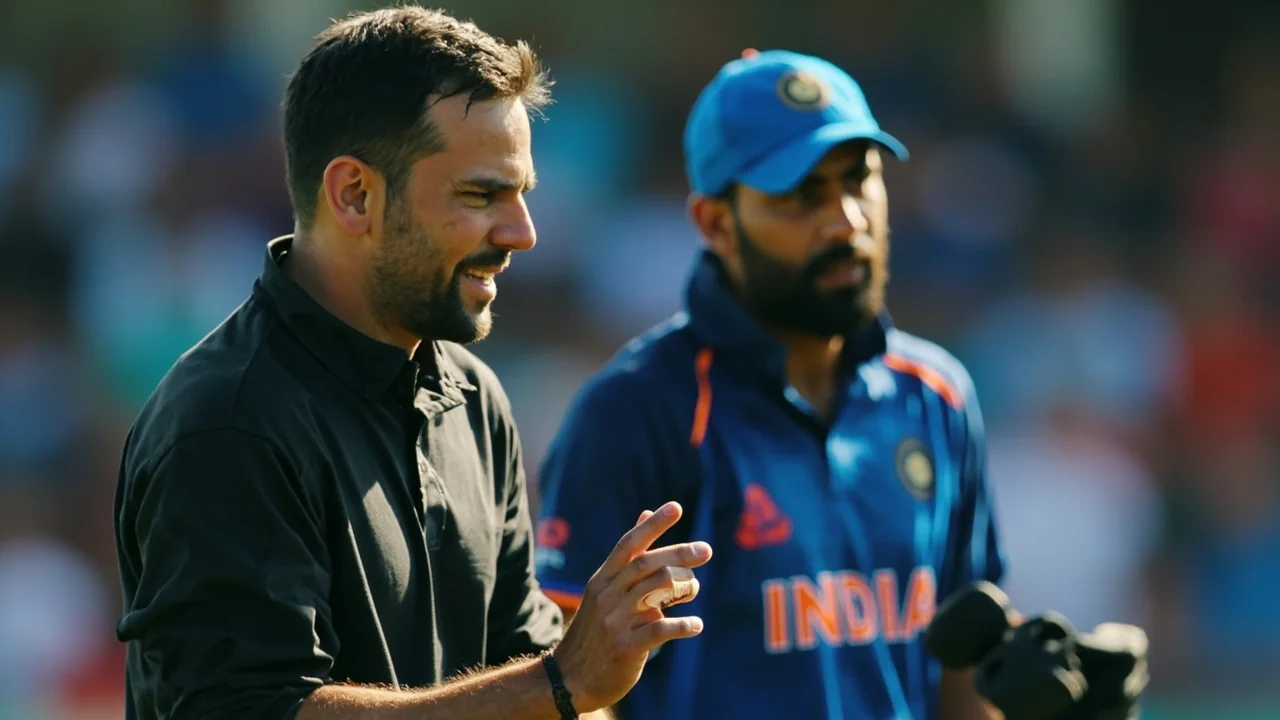
The bowler picks the preview names are Jasprit Bumrah, Jofra Archer and Varun Chakravarthy. Bumrah leads the India pace attack with 9 wickets from 6 matches at an average of 13.33, Archer leads the England pace attack with 10 wickets from 7 matches at an economy of 8.65, and Chakravarthy leads the India spin attack with 12 wickets across the tournament. Adil Rashid, on the England side, has 11 wickets from 7 matches at an average of 14.55, and the preview names him as the bowler to watch on a surface that may grip in the second innings. The bowler band is therefore built on a pace-versus-spin split that matches the Wankhede surface read, and the captain math on the bowler picks is built on the role-relative economy rather than the absolute wicket count.
The captain math on Bumrah is the cleanest single read in the bowler band. Bumrah's role-relative economy through the group stage has been the lowest of any bowler on either side, and his role-fit on a flat Wankhede chase with a hard new ball is the highest of any seamer on either side. The preview does not call Bumrah a captain candidate, but the desk's framework would put him on the captain shortlist as the third name after Suryakumar and Brook. For users who want a captain pick that does not depend on a high boundary bonus, the Bumrah case is the alternative lock the preview does not explicitly publish but the framework supports.
The spin wedge on the bowler band is the part of the preview that needs the most careful reading. England's three-spin combination is built for a surface that holds, and the Wankhede pitch the preview describes is traditionally a batter's paradise with true bounce and short square boundaries. The preview reads the toss as likely to be field, with dew rated from over 15, which means the second-innings chase is the higher-scoring innings and the spin bowlers' impact is concentrated in the middle overs of the first innings. The Chakravarthy case is the cleanest matchup read in the preview, and the Rashid case is the hedge on the matchup. The bowler band is built on the matchup and the venue rather than the form, and the preview's bowler picks reflect that weighting.
The Wankhede pitch read, and what it means for captain math
The Crictoday preview carries a Wankhede pitch report that reads as follows. The surface is traditionally a batter's paradise with true bounce. Fast bowlers may get early swing or seam in the first six overs, but conditions ease after the powerplay. The square boundaries are short, the surface is flat, and the conditions favour power-hitters. Dew is rated likely from the 15-over mark. The toss-winning captain is expected to field. Each of those inputs feeds the captain math on a different band, and the preview carries the pitch read as a separate input rather than as part of the captain case.
The captain math on a flat Wankhede chase rewards top-order batters who bat in the powerplay, where the boundary bonus and the short square boundaries combine to lift the impact column. Suryakumar, who bats at four, sits one position behind the powerplay bonus, and his role-relative strike rate through the group stage lifts his impact-points ceiling. Brook, who bats at five for England, sits one position behind the powerplay bonus on the other side, and his role-relative average of 32.57 across seven matches gives him a similar impact-points ceiling. The Suryakumar captain lock and the Brook vice-captain lock are both built on the same input: a flat Wankhede chase where the middle-order role-fit clears the captain threshold on either side.
The matchup math on the Wankhede surface is the part the preview carries less explicitly. England's three-spin combination is built for the second-innings chase, where the ball grips and the dew works against the spinner. India's three-pace attack plus Chakravarthy is built for the first-innings chase, where the new ball moves and the boundary bonus lifts the impact column. The matchup is therefore asymmetric: India want to bat first and put up a total, England want to field first and chase under lights. The preview's captain lock on Suryakumar works on either side of the toss, but the captain math on Brook is more dependent on the toss: a Brook captain pick assumes England are chasing, which is the toss outcome the preview expects but cannot guarantee.
What the preview stops short of: the impact-player slot and the keeper read
The Crictoday preview stops short of naming the impact-player slot and the keeper's batting order. Both are inputs the fantasy user has to fill in from the toss. On the India side, Ishan Kishan keeps the gloves and bats at three, which is a top-order role that lifts the impact column on a flat chase. On the England side, Jos Buttler keeps the gloves and opens the batting, which is a powerplay role that lifts the impact column on a chase under lights. The keeper's role on either side is a top-order role rather than a lower-order role, which means both keepers are core picks rather than differential picks, and the captain math does not have a keeper adjustment to make.
The impact-player slot is the input the preview does not pretend to know. India have named Tilak Varma as the likely impact-player option, and England have a choice between Jacks and a fourth seamer. The impact-player call is made after the toss and is a captain's cheque rather than a fantasy pre-pick. The preview carries the slot as an open question, which is the correct read: the impact-player decision reshapes the captain math on the all-rounder band, and the fantasy user has to play through the slot once the teams are announced. The desk's fantasy tips chapter carries the framework for reading the impact-player slot, and the Wankhede semi-final is the cleanest single fixture on the 2026 World Cup calendar to apply the framework to.
Three things the preview does not claim to know. First, the toss: the captain math on Brook is more dependent on England chasing than the captain math on Suryakumar is on India chasing, because Brook's role-fit sits behind the powerplay. Second, the dew: a heavy dew in the second innings lifts the spinner impact column and lifts the chase total, and the preview is published before the matchday weather bulletin. Third, the impact-player call: the slot is open at the time of the preview, and the fantasy user has to fill it from the toss announcement. Each of those unknowns reshapes the captain pick in a different way, and the preview carries the open question rather than a confident read.
Reading the Crictoday preview as a fantasy input
The cleanest way to read the Crictoday preview is as a fantasy input rather than as a fantasy pick. The captain lock (Suryakumar) is the safe captain read for H2H contests. The vice-captain lock (Brook) is the safe vice-captain read for H2H contests. The differential (Samson) is the grand-league captain read for users who want the upside of a low-selection-percentage middle-order pick. The alternate combination (Jacks as captain, Bumrah as vice-captain) is the hedge for users who want the upside of an all-rounder captain on a surface that may grip in the second innings. The four reads are not interchangeable, and the preview does not pretend they are.
For the desk's longer captain ledger, the Crictoday preview is a single-day input. The captain lock desk carries the daily captain stack and the daily differential stack, and the Crictoday preview fits into the captain stack as one day's captain reads for a single fixture. The captain lock desk does not republish the preview as a captain read, and the preview does not pretend to be the captain lock desk. The two are separate surfaces for separate contests, and the user has to choose between them based on the contest type they are playing. For users who want the full picture, the play is to use the captain lock for the safe contest and the differential for the grand-league contest, with the XI from the Crictoday preview as the input for both.
The match was played at Wankhede on the evening of 5 March 2026, with the toss at 7:00 pm IST. The captain picks were locked at the toss and the form arrows were published before the XI was finalised. The Crictoday preview is the desk's record of the read that went in, and the fantasy tips chapter carries the desk's longer captain ledger for the rest of the World Cup. Both are open for the user to cross-check, and both are published with the verification stamp and the corrections log. The next verified captain read in the series sits at the 8 March final at the same venue, where India or England meet New Zealand for the trophy.